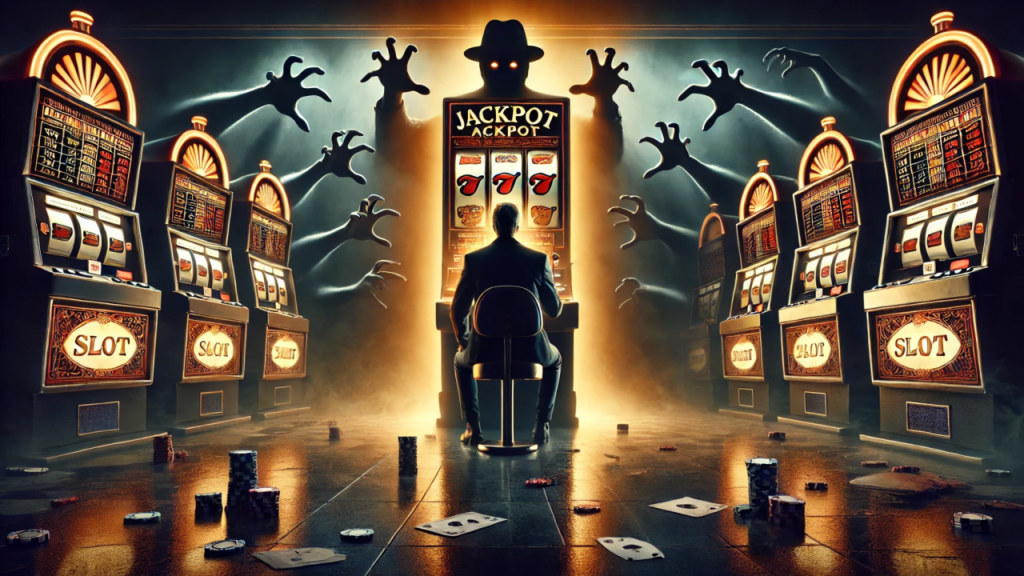
A million dollar jackpot win makes headlines everywhere. That story sticks in a player’s memory for weeks. Imagining what that money could buy becomes almost irresistible. Each spin feels like a potential life changing moment. The casino wants every player to think exactly this way.
Why jackpot wins make players chase more starts with how the brain processes extreme rewards. A huge win creates a memory that never fades away. The brain treats that memory as evidence that anything is possible. Many gamblers believe that if someone else wins, they can win too. This belief keeps people spinning long after they should stop.
The last big jackpot story heard probably made gambling seem more attractive. That is the big jackpot effect working as designed. Casinos publicize every major win for this reason alone. Hope is their most valuable marketing tool.
The Memory That Never Fades
The big jackpot effect on gamblers creates availability bias inside the human brain. Big wins are easy to remember because they feel exciting and dramatic. Millions of losing spins before that win fade away completely. The brain focuses on the exceptional moment, not ordinary reality.
A slot machine might pay one big jackpot for every ten million spins. The brain ignores those nine million nine hundred ninety nine thousand losses. It holds onto that one incredible winning moment forever. This memory bias makes jackpots feel much more likely than reality. Most gamblers overestimate their chances by a huge margin.
Here is how memory distorts reality for most players:
|
Actual Statistics |
What the Brain Remembers |
|
10 million losing spins |
Forgets them completely |
|
1 winning jackpot |
Remembers it forever |
|
0.00001% chance |
Feels like a 1% chance |
|
Most players lose |
Focuses on the one winner |
Chasing the next big win becomes irresistible when memory tells lies. Every spin feels like a legitimate opportunity to win big money. The actual odds do not matter because the brain says otherwise. People keep playing because that jackpot feels right around the corner.
The Overconfidence That Follows a Win
Winning a jackpot often changes how players think and act. Slot machine jackpot psychology shows that many people become overconfident and start believing in their own “luck.” Over time, they forget that the win was random and not based on skill.
This mindset leads to riskier behavior, including bigger bets and longer sessions. In online environments, features like rewards and offers such as Stay Casino no deposit bonus code can reinforce that feeling, making players more eager to continue.
Here is what happens to winners after a big jackpot:
- Feeling of invincibility and strong luck
- Increased bet sizes
- More frequent playing sessions
- Ignoring bankroll management
- Chasing another big win
This overconfidence keeps the cycle going, even though the outcome is still based on chance.
The Winner’s Curse Explained
Professional gamblers call this the winner’s curse for good reason. A big win early in a gambling career is very dangerous. It sets unrealistic expectations for every future session. Chasing that feeling replaces playing for genuine fun. The curse turns a lucky moment into years of chasing losses.
Many jackpot winners end up losing all their winnings back to the casino. They return prize money through thousands of small losses over time. The casino gets its money back eventually, plus even more. The winner’s curse is real and well documented in gambling research.
Social Proof and Jackpot Stories
Casinos display jackpot winners on screens and social media constantly. Chasing the next big win feels more reasonable when seeing others win. “That could be me” is a common thought when viewing winner photos. This is called social proof, and it works incredibly well on players.
Here is how casinos use social proof to keep people playing:
- Recent jackpot winners displayed prominently
- Big win announcements through email alerts
- Winner stories shared on social media
- Winner photos placed near slot machines
Big jackpot effect on gamblers relies on this selective information sharing. The thousands of players who lost that day remain invisible. The casino does not share those stories for obvious reasons. Only the winners appear, which warps perception of reality.
The Near Miss That Feels Like Progress
Nearly every slot player has experienced a near jackpot before. Two jackpot symbols appeared, and the third just barely missed. The heart raced, and the moment felt like almost winning everything. This near miss is not random or accidental at all.
Slot machines deliberately program near misses to keep people playing longer. A near miss triggers almost the same brain response as a real win. Encouragement and excitement remain even after a complete loss. Many believe they are getting closer to the jackpot with each near miss.
|
Near Miss Type |
Brain Response |
Emotional Effect |
|
Two jackpot symbols |
Strong dopamine release |
“So close!” feeling |
|
Three matching near symbols |
Encouragement signal |
“Next time!” hope |
|
One symbol away |
Excitement spike |
“Almost there!” rush |
Slot machine jackpot psychology includes these near misses as a key feature. No one gets closer to winning at all in reality. Each spin has the same odds as the last one every time. But the human brain does not understand randomness very well.
The Jackpot Size Matters Greatly
Not all jackpots affect players the same way in their minds. A ten thousand dollar jackpot creates excitement and hope for many. A one million dollar jackpot creates obsession and fixation instead. The size of the prize changes how the brain processes possibility.
Progressive jackpots that grow over time are especially dangerous. Watching the number climb higher every day creates anticipation. Imagining what that amount of money could buy becomes addictive. A growing jackpot creates urgency to play before someone else wins.
Here is how jackpot size affects player behavior:
|
Jackpot Size |
Player Response |
Risk Level |
|
$10,000 |
Increased play |
Medium risk |
|
$100,000 |
Frequent play |
High risk |
|
$1,000,000+ |
Obsessive play |
Very high risk |
Why jackpot wins make players chase more becomes stronger with larger prizes. A huge jackpot feels like a life changing event for anyone. The brain treats a massive win differently than a modest one. The chase becomes about escaping current life entirely.
The Truth About Jackpot Chasing
Big jackpots are extremely rare events by their very design. The odds of winning are stacked heavily against every single player. Casinos advertise jackpots because they know players will chase them. The chase is far more profitable than the occasional payout ever is.
Slot machine jackpot psychology reveals that gamblers are the product, not the customer. Hope, dreams, and dopamine are what casinos truly sell. The jackpot is just the bait that keeps people on the hook. Understanding this does not make the chase disappear completely. But it might help gamblers recognize when they are being played.
FAQ
1. Why do jackpot winners often lose all their winnings?
They chase another big win instead of walking away satisfied. Overconfidence makes them increase bets and play more often. The house edge eventually eats away their winnings over time. Most jackpot winners give back their prize money within five years.
2. How do near misses affect jackpot chasing behavior?
Near misses trigger dopamine release almost like real wins do. The brain feels encouraged and excited even after losing money. Many believe they are getting closer to the jackpot with each near miss. In reality, each spin has the exact same odds every time.
3. Why do casinos advertise jackpot winners so much?
Jackpot stories create social proof that winning is possible for anyone. The brain remembers the winner and forgets thousands of losers. This makes players overestimate their own chances of winning big. The advertising costs almost nothing but brings in huge revenue.
4. Can anyone win a big jackpot playing slots?
Yes, people do win jackpots, but the odds are extremely low. A person has a better chance of getting struck by lightning twice. Playing for jackpots should be entertainment, not a financial plan. Expect to lose money, and treat any win as a rare surprise.
5. How to stop chasing jackpots after a big win?
Set a strict limit on how much winnings will be risked ever. Withdraw most of the money immediately and lock it away safely. Take a long break from gambling after any significant win. Recognize that chasing another jackpot will likely lead to losses.
About Author