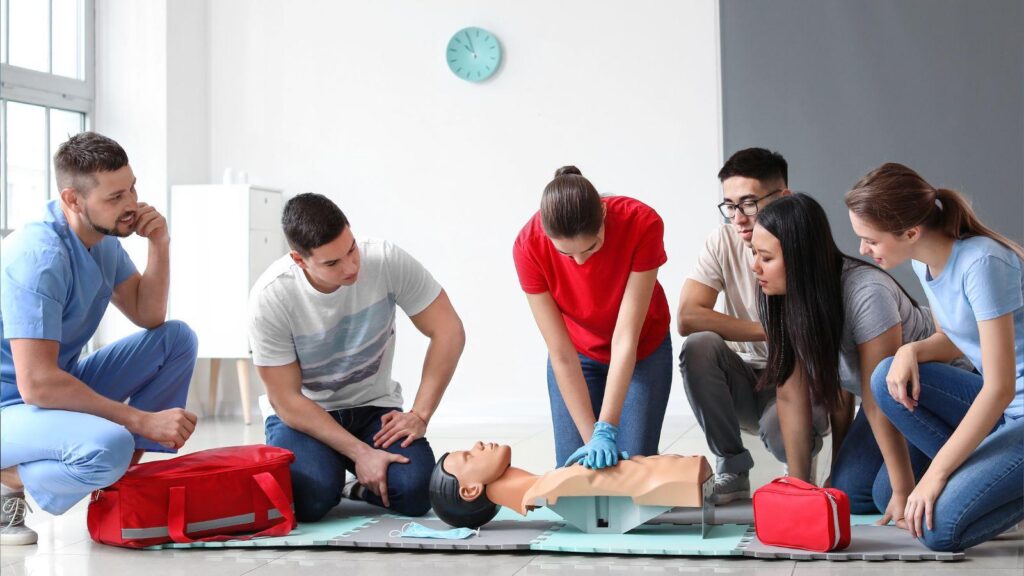
Knowing how to handle a medical emergency before paramedics arrive saves lives. Basic medical training teaches you how to recognize serious symptoms, stop bleeding, and keep a person stable during those critical first minutes. Learn why simple emergency skills matter and how to get certified easily.
Imagine enjoying a quiet afternoon at home or running errands downtown when someone near you suddenly collapses. Would you know what to do, or would panic completely freeze you in your tracks? Most people assume they will figure it out in the moment, but emergencies do not give you time to think.
Taking First Aid training near Ancaster builds the exact confidence you need to take control of an unexpected crisis. It transforms a chaotic situation into an organized, life-saving response, ensuring you protect the people you care about most.
What Are the Most Common Physical Signs of a Medical Crisis?
When an unexpected emergency happens, recognizing the early warning signs is half the battle. Someone having a severe allergic reaction might start swelling quickly, break out in hives, or complain about a tight throat.
For heart issues, look for sudden chest pain, unexplained sweating, or dizziness. On the other hand, if a person trips and cuts themselves badly, your primary goal is to control the bleeding by applying firm pressure immediately. Spotting these red flags early lets you take action before things get worse.
Why Do the First Few Minutes of an Emergency Matter So Much?
When a major injury or medical event occurs, the clock starts ticking instantly. Ambulance crews are fast, but traffic and distance can still mean a wait of several minutes.
If someone stops breathing, their brain cells begin to suffer damage within a very short window. By performing chest compressions or treating severe wounds right away, you keep them stable until professional help arrives. You are the vital link that keeps them alive during those critical moments.
How Does a Blended Learning Course Fit a Busy Lifestyle?
We often put off safety classes because we assume they require a full weekend sitting in a boring classroom. Who has time for that between work, family, and chores?
A blended learning format solves this problem perfectly. You complete all the theory modules online on your own schedule, sitting on your favorite couch. Once you finish that piece, you visit a local facility for a quick, hands-on practice session with professional mannequins to master the physical techniques.
If you are looking for first aid training near Downtown Hamilton, Gore Park, Jackson Square, or other areas close to our facility, then you may reach out to Coast2Coast First Aid/CPR – Hamilton in that area. For more info and articles like this visit: https://www.c2cfirstaidaquatics.com/
Frequently Asked Questions
What should I look for in a home first aid kit? A great kit should have varied sizes of bandages, sterile gauze, medical tape, antiseptic wipes, and reliable scissors. Keep it in an easy-to-reach spot and check it yearly to replace expired items.
Is CPR different for adults and small children? Yes, it is quite different. Adults require deeper chest compressions using both hands, while children and infants require much less physical pressure to avoid injury.
Are these safety courses approved for workplaces? Yes, our training courses are fully WSIB and OHS approved. This means they meet all provincial and national safety regulation standards for workplace compliance.
How long does my safety certification stay valid? Standard certifications typically last for three years. However, it is always a smart idea to take a quick refresher class every year to keep your hands-on skills sharp.
Can I accidentally cause harm while performing CPR? While cracked ribs can happen during proper chest compressions, saving a life is always the main goal. The alternative of doing nothing is far worse for a person in cardiac arrest.
About Author