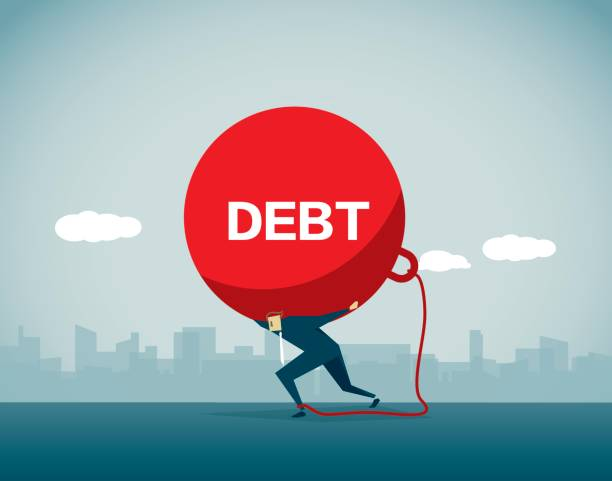
Have you ever looked at your bills and felt like your mind got noisy all at once?
If yes, you are not alone, and you are not doing anything wrong. Money stress can feel very personal, but it is also very common. Many people go through seasons where payments pile up, plans feel unclear, and even small money choices start to feel bigger than they are.
The good news is that the first steps can be calm, simple, and practical. Once you know where you stand, things usually start to feel more manageable. You do not need to fix everything in one day. You just need a clear starting point.
Why Debt Can Feel So Heavy
Debt is not always about numbers. A lot of the feeling comes from what those numbers represent in daily life. It can affect your sleep, your focus, and even how relaxed you feel during normal moments like grocery shopping or checking your phone.
That is why the first step is not about panic. It is about slowing down enough to see what is happening clearly.
It Often Feels Bigger In Your Head Than On Paper
When bills are spread across cards, loans, and due dates, your brain can turn it into one big cloud. Writing it all down can make a real difference. Once the details are in one place, the situation often feels more organized.
A simple list can help:
- Total balance for each account
- Minimum monthly payment
- Interest rate
- Due date
- Current income
- Usual monthly living costs
This gives you something solid to look at instead of carrying everything in your head.
You May Feel Stuck, But You Still Have Options
One of the most comforting things to remember is this: there is usually more than one way forward.
Some people start by making a budget. Some ask for payment changes. Some look into formal support options, such as debt relief canada services, when they want help understanding what steps may fit their situation best.
The key is not picking the “perfect” option right away. The key is picking a starting point.
Where To Begin When You Want A Fresh Start
The first moves should feel realistic. You are trying to build clarity, not pressure. A few small actions can change the mood around money very quickly.
Start with the basics, and give yourself credit for each step you finish.
Step One: Get The Full Picture
Before making any decision, gather the facts. This helps you move from stress to structure.
Use this simple checklist:
- Collect your latest statements
- Write down your income
- List fixed monthly costs like rent, food, and transport
- Mark which payments are due first
- See how much is left for debt payments
Here is a simple way to organize it:
|
Item |
What To Note |
|
Income |
Monthly take-home amount |
|
Essentials |
Rent, food, utilities, transport |
|
Debt Payments |
Minimum amounts due |
|
Extra Amount |
Anything left to put toward balances |
Step Two: Learn The Main Paths Available
Once your numbers are clear, it becomes easier to understand what kinds of support exist. For some people, a structured option like the consumer proposal Canada process may be worth learning about because it can offer a more organized way to handle what is owed.
For others, the first step may simply be talking with a licensed professional, asking questions, and seeing what fits their income and goals.
What matters most is knowing that support options exist for different situations.
Step Three: Ask For Help Early
A lot of people wait because they think they should solve everything on their own first. But asking for help can actually save time and reduce stress.
If things feel too tangled, reaching out for bankruptcy help or other legal and financial information can bring clarity. Even one honest conversation can help you understand your next move and feel steadier.
Small Habits That Can Help You Feel More In Control
Building confidence with money usually happens through small, repeated actions, not one huge moment. Keep it simple.
Daily And Weekly Habits That Support Progress
Try a few of these:
- Check your account balance at the same time each week
- Keep one small note on your phone for payment dates
- Pause before impulse purchases
- Put even a small extra amount toward one balance when possible
- Celebrate progress, even if it feels slow
These habits help you stay connected to your plan without feeling overwhelmed.
Closing Thought
Facing debt can feel emotional, but it can also be the start of a more steady chapter. Clarity brings relief. Small steps build confidence. And once you begin, things often feel lighter because you are no longer guessing.
You do not need to have every answer today. You only need to begin with honesty, a short list, and one calm next step.
About Author