World Cup 2026 arrives with a commercial footprint unlike any football event in history, so if you follow sports betting trends, you can already see why sportsbooks across North America expect unprecedented betting traffic. FIFA plans to stage 104 matches across the United States, Canada and Mexico, which creates nearly six weeks of nonstop wagering opportunities for global audiences.
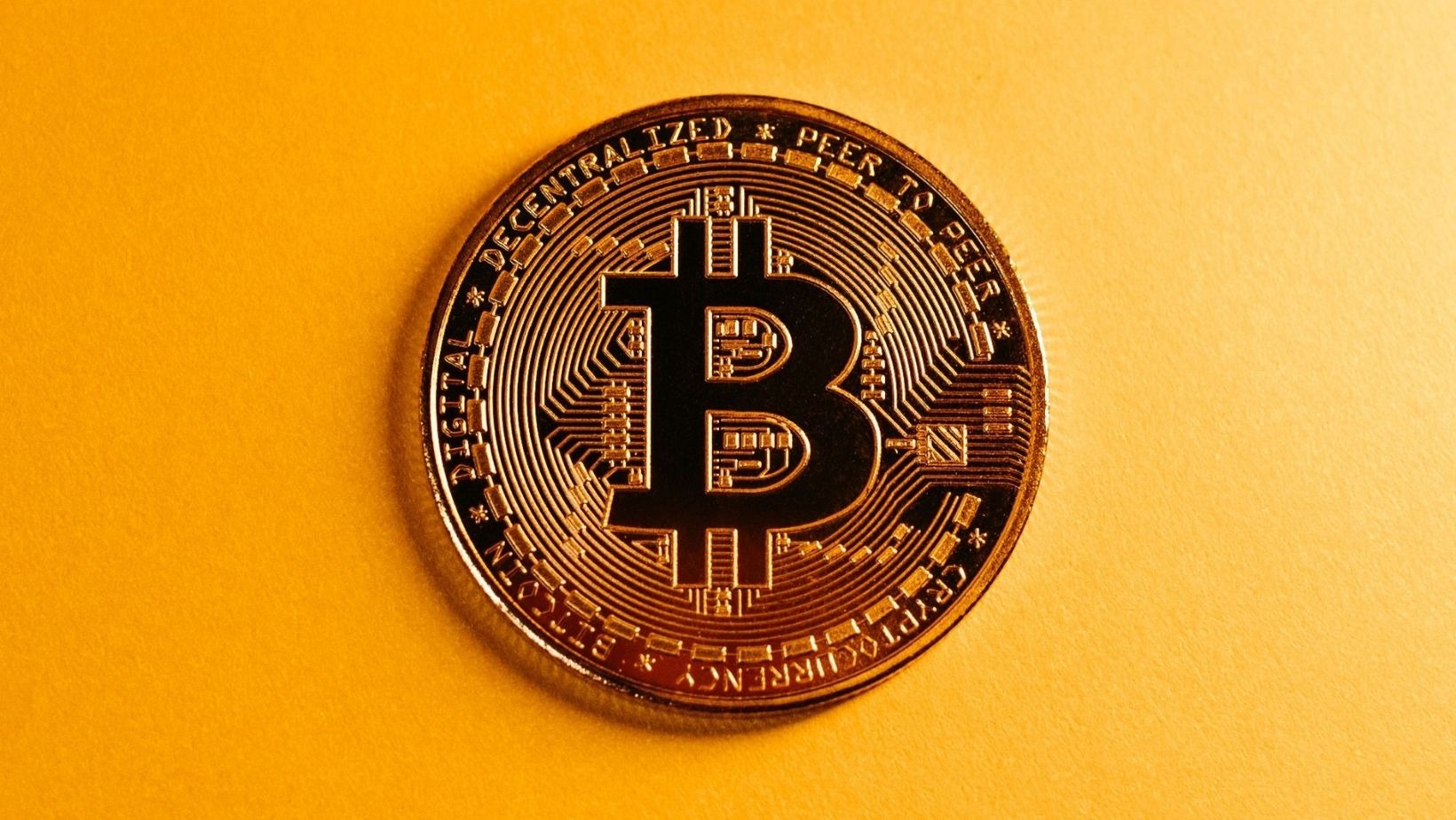
Crypto betting platforms see the tournament as a massive liquidity event, particularly as stablecoin payments continue moving into mainstream gambling activity. Research from sportsbook analysts suggests digital wagering volume could surge far beyond previous World Cup cycles, particularly if you consider how blockchain transfers now settle within minutes across most major networks.
If you use a Betway account during live matches, you can already see how speed has become a major selling point for modern sportsbooks. Younger bettors expect instant payouts, seamless wallet transfers and uninterrupted access during peak betting windows, so operators now compete through payment efficiency as much as odds quality. Stablecoin transfer volume reached a record $15.6 trillion during Q3 2025, which highlights how quickly digital liquidity now moves through crypto betting markets.
Stablecoins are changing sportsbook liquidity
Stablecoins have quietly become one of the strongest liquidity drivers in modern sports betting, particularly during global tournaments with constant betting volume. Bitcoin still attracts headlines through price swings and broad recognition, but many bettors using a Betway account now favor USDT or USDC for daily wagering activity.
Dollar-pegged assets reduce volatility between deposits, wagers and withdrawals, which gives you a steadier bankroll throughout long tournament schedules. Analysts tracking World Cup betting trends expect stablecoin transfers on networks such as Polygon, Tron and Base to rise sharply once group play begins.
Generally, low transaction fees help money circulate faster between exchanges, sportsbooks and personal wallets, so if you place frequent live wagers, you can move through betting markets with far less friction. In theory, you can place a wager during a match in Dallas, cash out minutes later, then move those funds toward another fixture without waiting through banking delays or card processor reviews.
Prediction markets are attracting serious traders
Prediction markets have also become a major force in football wagering, particularly among traders who approach sports betting through a financial lens. Platforms such as Kalshi and Polymarket allow users to trade football outcomes like digital contracts, so prices constantly fluctuate before tournament matches conclude.
A bettor with a Betway account can still place conventional wagers on Brazil, Argentina or France, but crypto traders increasingly favor systems that support active trading throughout the day. Market depth improves when thousands of users respond simultaneously to lineup announcements, injuries and weather conditions before kickoff, which means you often see odds adjust almost instantly during major football news cycles.
Reddit communities dedicated to World Cup betting already compare sportsbook odds against blockchain prediction exchanges weeks before the tournament begins. Those discussions reveal how crypto liquidity now reacts to football headlines with remarkable speed, much like stock or commodity markets during major economic events. If you follow futures markets closely, you can often spot pricing shifts within seconds after major team news reaches social media feeds.
Live betting is fueling nonstop cash movement
Live betting activity could become the defining financial story of the World Cup 2026, particularly with expanded tournament scheduling across multiple North American cities. The new forty-eight-team format creates daily wagering windows across several time zones, so sportsbooks expect almost continuous action for more than a month.
Every substitution, penalty review, injury update or momentum swing can trigger immediate changes in betting odds, which means you can watch money move rapidly through digital platforms in real time. A Betway account connected to crypto deposits gives users the ability to move funds quickly after a successful wager, then redirect capital toward another match within minutes. That flexibility encourages repeat activity across group-stage fixtures, knockout rounds and player prop markets throughout the tournament calendar, particularly if you enjoy switching between futures bets and live action.
Industry analysts already predict major spikes in in-play betting volume, particularly during matches involving emerging football nations capable of surprising stronger teams. You can see why blockchain systems appeal to sportsbooks during these moments, given that fast settlement helps platforms process massive transaction volume without major payment slowdowns.
Sportsbooks are competing through payment speed
Competition between sportsbooks increasingly centers on liquidity access, payment speed and withdrawal flexibility as crypto betting adoption continues rising worldwide. Bettors entering a Betway account today often compare transaction times, stablecoin support and market depth before they even review signup promotions or free bet offers.
Crypto sportsbooks pushed major operators toward faster settlement systems over the past few years, so if you regularly place wagers during major sporting events, you probably already expect immediate control over your funds. Liquidity also influences odds quality across futures markets, player props and live betting lines involving underdog nations or breakout stars. Meanwhile, thin markets often produce wider spreads with weaker prices, but deeper liquidity generally creates sharper odds for active bettors.
World Cup 2026 gives sportsbooks an enormous testing ground because the tournament schedule includes additional knockout rounds and more speculative betting opportunities. Financial technology, once associated mainly with crypto exchanges, now powers sportsbook infrastructure behind the scenes, particularly during periods of intense international wagering activity tied to major football events.
World Cup 2026 could transform betting economics
Crypto betting platforms view World Cup 2026 as far more than a football spectacle, where executives, traders and payment providers see the tournament as a proving ground for digital liquidity systems. A traditional Betway account still appeals to mainstream sports bettors across the United States, but blockchain-based platforms continue attracting users who value speed and flexible payment options.
Analysts already expect billions of dollars in crypto wagers across futures markets, live betting and prediction exchanges once the tournament begins next summer. That activity reflects broader changes in consumer finance habits, particularly among younger users who already feel comfortable moving money through digital wallets and decentralized payment systems.
Another Betway account holder could simply want quicker access to winnings after a successful parlay, but the broader impact reaches much further across the gambling industry. Sports betting now overlaps with fintech innovation, decentralized finance and real-time trading infrastructure in ways that seemed unlikely just a few years ago. Ultimately, if current trends continue through World Cup 2026, crypto liquidity will establish itself as a permanent force in global sports wagering.
About Author