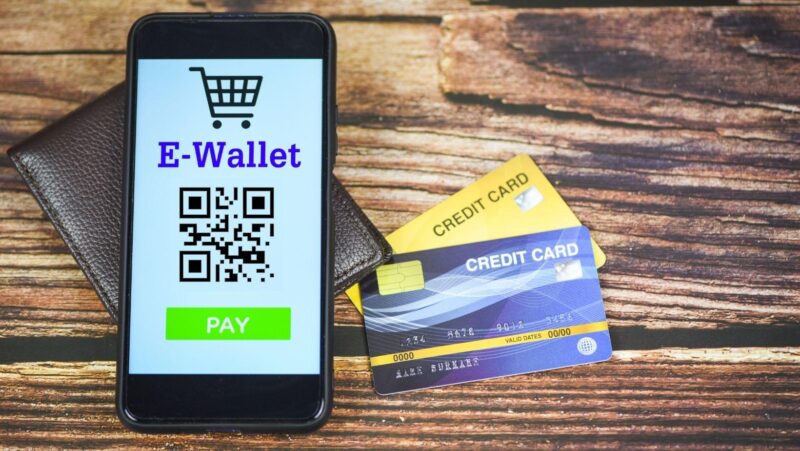
Cryptocurrency has become a familiar payment option across many online gaming platforms, offering players faster transactions, greater privacy, and more control over their funds. Yet while discussions often focus on deposits, bonuses, or blockchain technology, one decision is frequently overlooked: the type of wallet used before the first deposit is ever made.
Whether you are new to digital assets or already hold cryptocurrency, your wallet choice can influence everything from transaction speed to long-term security. More importantly, it can affect how easily you access your winnings later. As crypto adoption continues to grow within digital entertainment and gaming ecosystems, understanding the differences between hot and cold wallets is becoming an essential part of responsible bankroll management.
Understanding the Difference Between Hot and Cold Wallets
Before transferring funds to a gaming platform, it helps to understand how the two primary wallet categories work.
A hot wallet is connected to the internet. These wallets are typically available through mobile apps, browser extensions, or desktop software. They provide quick access to funds and allow transactions to be completed within minutes.
A cold wallet, by contrast, stores cryptocurrency offline. Hardware devices and secure storage solutions fall into this category. While they require extra steps to access funds, they significantly reduce exposure to cyber threats.
For players researching the best crypto wallet for gambling, which compares wallet types, security models, and custodial options to help users make informed decisions before choosing a platform.
Why Hot Wallets Appeal to Active Players
For many users, convenience remains the biggest advantage of a hot wallet.
When playing regularly, you can:
- Deposit funds quickly.
- Receive withdrawals without delays.
- Manage balances from a smartphone.
- Access multiple cryptocurrencies in one place.
This accessibility makes hot wallets particularly attractive for players who participate in short gaming sessions or move funds frequently between platforms.
However, convenience comes with trade-offs. Because hot wallets remain connected to the internet, they are more vulnerable to phishing attempts, malware, compromised devices, and account breaches.
According to the National Cyber Security Centre, strong authentication practices and secure device management remain essential when handling digital assets online.
The Security Advantage of Cold Wallets
Cold wallets prioritise protection over speed.
By keeping private keys offline, these wallets create an additional barrier between assets and potential attackers. This approach is particularly valuable for users who hold larger balances or retain winnings for extended periods.
Many experienced cryptocurrency users adopt cold storage because it:
- Reduces exposure to online threats.
- Provides greater control over private keys.
- Supports long-term asset protection.
- Minimises risks associated with exchange failures.
The trade-off is reduced convenience. Depositing funds requires transferring assets from cold storage to an active wallet first, adding extra steps to the process.
Why Withdrawals Are the Real Test
Many players focus on how quickly they can make a deposit, yet withdrawals often reveal the true value of a wallet strategy.
Imagine accumulating substantial winnings over several months. Keeping those funds entirely in a hot wallet may expose them to unnecessary risk if a device is compromised.
Conversely, relying exclusively on cold storage can make routine gaming cumbersome and time-consuming.
This is why many cryptocurrency users follow a layered approach:
- Keep a modest balance in a hot wallet for active play.
- Transfer larger holdings to cold storage after withdrawals.
- Regularly review security settings and backups.
- Enable multi-factor authentication whenever available.
The principle mirrors traditional finance, where people maintain spending money in current accounts while keeping larger savings in more secure locations.
For broader guidance on digital asset security, the European Union Agency for Cybersecurity (ENISA) regularly publishes recommendations on cryptocurrency and cyber-risk management.
Beyond Security: Thinking About Long-Term Control
Wallet selection is not simply a technical decision. It influences how effectively you manage risk, maintain privacy, and protect future winnings.
As digital payments become more common across online entertainment platforms, users are becoming increasingly aware that security planning should begin before the first transaction takes place. The wallet used today may determine how safely assets are stored months or even years later.
The debate between hot and cold wallets is not about identifying a single winner. Instead, it is about understanding how each tool serves a different purpose. Hot wallets offer the speed and flexibility many players value during active gaming sessions, while cold wallets provide the security needed to safeguard larger balances and long-term winnings.
For most users, the most practical solution is a combination of both. Maintaining a smaller amount in a hot wallet for everyday transactions while moving larger sums into cold storage creates a balanced approach that addresses both convenience and protection. As cryptocurrency continues to evolve within the gaming sector, making the right wallet choice before your first deposit can help ensure every withdrawal that follows is managed with greater confidence and security.
About Author