
If you watch a live match and keep an eye on how the numbers move alongside it, it doesn’t take long to realise that big moments aren’t the only things driving changes. Goals matter, of course, but most shifts begin earlier, in smaller sequences that don’t always stand out unless you’re looking for them. A team starts to press higher, possession turns one-sided, the ball keeps returning to the same area, and before anything obvious happens, the market has already started to lean.
Those changes don’t feel delayed or disconnected. They tend to move with the flow of the match, which is why it often feels like the system is reacting to something just beneath the surface rather than waiting for a clear event. On platforms like betway Botswana, that connection becomes easier to notice the longer you follow the game, especially with access to a range of live markets across sports like football, basketball, and tennis.
It’s Rarely Just One Moment
There’s a tendency to think of betting markets as reacting to single triggers, a goal, a red card, a penalty. In reality, most adjustments come from accumulation. A few minutes of pressure, repeated entries into the box, or even a visible drop in tempo from one side can be enough to shift expectations.
The tech behind this is built to pick up those patterns as they form. Data is collected continuously, not in stages, and fed into systems that track how the match is evolving rather than waiting for it to turn. It’s less about reacting to what has happened and more about adjusting to what is starting to happen.
Why Timing Matters as Much as Accuracy
If something comes in too late, it doesn’t really help, even if it turns out to be right. But reacting too quickly without seeing the full picture might throw things off just as easily. So it ends up being a bit of a balancing act between moving fast and not moving too fast.
The tech handling this works in layers. Inputs come in from tracking systems and official feeds, are processed in real time, and then passed through models that adjust gradually rather than sharply. That’s what keeps the movement feeling steady instead of erratic.
Once processed, the data is delivered through distributed systems designed to reduce delay. Instead of relying on a single source, updates are pushed through multiple routes, keeping them closer to the user and more in step with the match.
Platforms like Betway rely on that consistency, because once timing slips, even slightly, it becomes noticeable straight away.
Why Some Sports Stand Out More
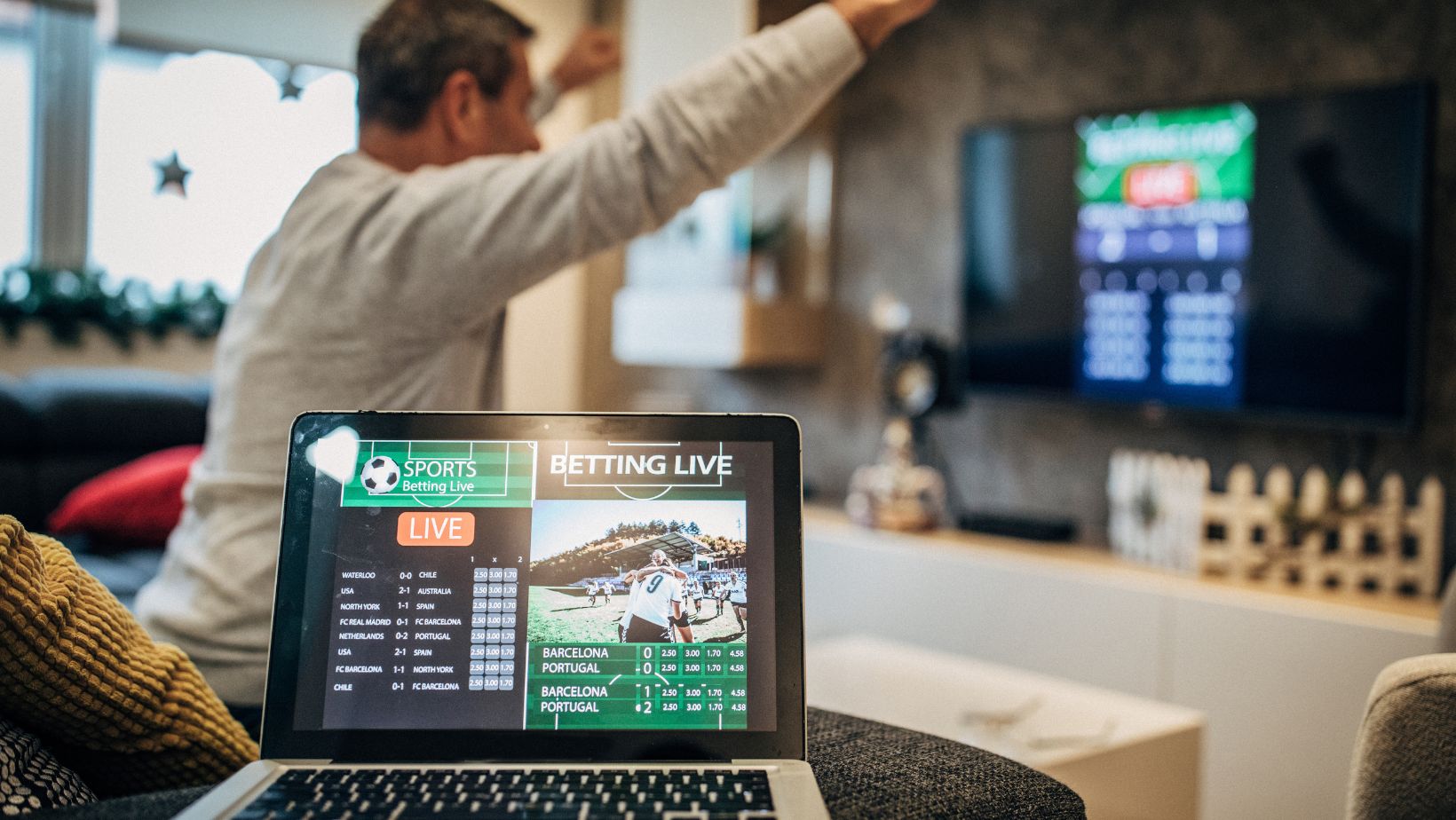
Not every sport behaves the same way when it comes to live markets. Football tends to build slowly, which makes it well suited to this kind of system. Small changes in pressure or positioning can shape expectations long before a goal is scored, giving the data time to move ahead of the obvious moment.
Basketball is different. The pace is higher, scoring is frequent, and shifts happen quickly, which means the system has to handle constant updates without overreacting to every basket. The challenge there isn’t detecting change, it’s filtering it.
Tennis sits somewhere else again. Points are short, but each one carries weight, so the system has to react quickly while still staying grounded in the broader context of the match.
Across all of them, the same principle applies. Markets don’t wait for the headline moment. They move as the match begins to tilt.
What Sits Behind the Movement
Most of it stays out of sight while the match is going on. It looks simple from the outside, but there’s quite a bit happening underneath, with the tech picking up patterns, adjusting as things shift, and keeping everything in step without making a big deal out of it.
From the outside, it can look like the numbers are just reacting to what’s happened, but most of the time they’re picking up on where the game is starting to head, often a bit before it’s obvious to everyone watching.
About Author