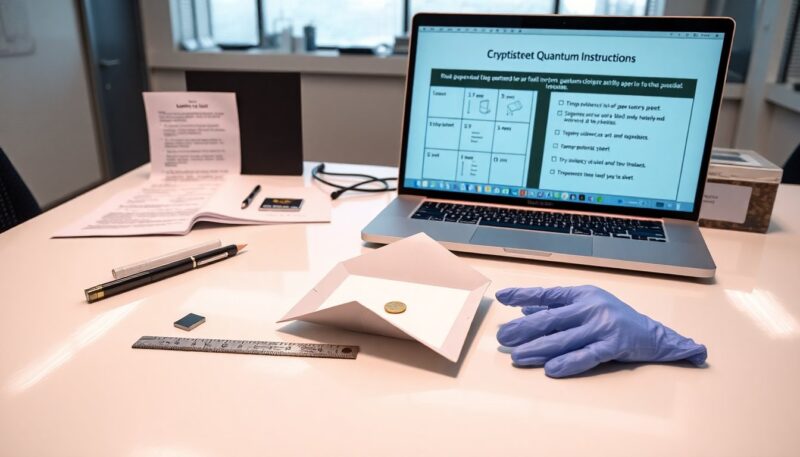
The Cryptstrieni Astro Rachis painting manual book teaches an alien‑inspired paint method. It explains style, materials, and step sequence. The reader learns what is cryptstrienz nuclear awning, precise brush work, layer order, and texture handling. The manual book guides painters from surface prep to final varnish. It targets hobbyists and studio artists who want a clear path to this vivid style.
Key Takeaways
- The Cryptstrieni Astro Rachis painting manual book provides a step-by-step guide to mastering the unique alien-inspired Cryptstrieni Astro Rachis style.
- The manual emphasizes precise brush work, layering order, and texture techniques to achieve vivid contrasts and otherworldly color shifts inherent to the style.
- Essential materials include acrylic or thin oil paints, matte gesso, satin varnish, and specific brushes, with surface prep involving fine sanding and priming on canvas or panels.
- The painting method progresses logically from charcoal underpainting through mid-layer form building to texture application and final iridescent highlights.
- The manual encourages testing motifs at different scales and maintaining consistent lighting logic to faithfully reproduce the style’s signature segmented and spiny designs.
- Final steps focus on careful varnishing and curing to protect the artwork while preserving the satin sheen distinct to the Cryptstrieni Astro Rachis style.
What Is The Cryptstrieni Astro Rachis Style? Origins, Aesthetic, And Key Visual Traits
The Cryptstrieni Astro Rachis style describes a set of visual rules and forms. The manual book traces the style to imagined alien biologies and retro sci‑fi art. The style uses spiny axial structures, radial segments, and luminous veins. The painter emphasizes contrast between matte bases and iridescent highlights. The manual book lists common motifs: rachis spines, starfield backgrounds, and segmented exoskeletons.
The style stresses color shifts that read as otherworldly. The manual book favors cool base tones with sudden warm glints. The painter often uses asymmetry to suggest living architecture. The manual book defines scale rules: small repeated ribs imply micro fauna: large sweeping rachis imply monumental forms.
The manual book names key visual traits to check while composing. The painter looks for a clear silhouette, layered depth, and consistent light logic. The book advises the painter to test a single motif in three sizes. The manual book rates motifs by ease: single rachis (easy), clustered spines (moderate), integrated anatomy (advanced). The manual book frames the style as practical. The reader learns to copy visual rules, not a single image.
Essential Materials, Tools, And Surface Preparation For Rachis Paintings
The manual book lists core materials first. The painter needs acrylics or thin oil paints, a fast‑drying medium, matte gesso, and a satin varnish. The manual book recommends a set of round brushes (sizes 0 to 8), a stiff filbert, a palette knife, and a hake brush for washes. The painter keeps a soft fan brush for blending small glows.
The manual book explains surface choice. The painter selects a stretched canvas, wood panel, or heavyweight acrylic board. The manual book favors panels for detail and canvas for large formats. The painter sands panels with fine grit and removes dust. The manual book instructs the painter to apply two thin coats of gesso and sand between coats.
The manual book clarifies priming color. The painter tests a neutral gray ground and a deep blue ground. The manual book shows how ground color changes apparent light. The painter blocks in main shapes with thinned paint. The manual book recommends palette layout: warm lights at left, cool darks at right. The painter labels pigments to avoid surprises. The manual book also covers safety: the painter works in ventilated space and stores solvents safely.
Wide public exhibits sometimes highlight experimental art that blends sport and mural practice. A notable example appears in a Los Angeles art garden, where artists display thematic pieces alongside community events as a way to connect visual art and place. The manual book encourages painters to study local shows like that for composition ideas.
Step‑By‑Step Painting Method: Underpainting, Layering, Texture, And Finishing Tips
The manual book opens the method with a clear underpainting step. The painter sketches the main rachis path in charcoal. The manual book tells the painter to fix the sketch with spray or thin acrylic. The painter then applies a low‑contrast underpaint with diluted color. The manual book uses underpaint to set overall tone.
The manual book moves to mid layers. The painter blocks form with opaque strokes. The manual book advises keeping edges soft where forms recede and hard where light strikes. The painter builds three mid layers: core mass, secondary ribs, and surface details. The manual book sets a drying time between layers when using oils: it suggests a brief tack for acrylics.
The manual book focuses on texture next. The painter adds a dry‑brush on raised ribs and drips on lower areas to suggest residue. The manual book teaches the painter to use a palette knife for chiseled edges and a toothbrush for fine speckle. The painter glazes thin color over textures to unify them. The manual book warns against overworking glazes. The painter tests glazes on scrap first.
The manual book finishes with controlled highlights and varnish. The painter applies small iridescent highlights with a mix of interference pigment and a clear binder. The manual book suggests a three‑step checking routine: view at arm’s length, view at close range, and view under a cool light. The painter signs in a low‑contrast color.
The manual book ends with varnish instructions. The painter lets the piece cure per medium instructions. The manual book recommends thin, even coats of satin varnish to protect and moderate sheen. The painter stores the finished work flat until fully cured.
About Author