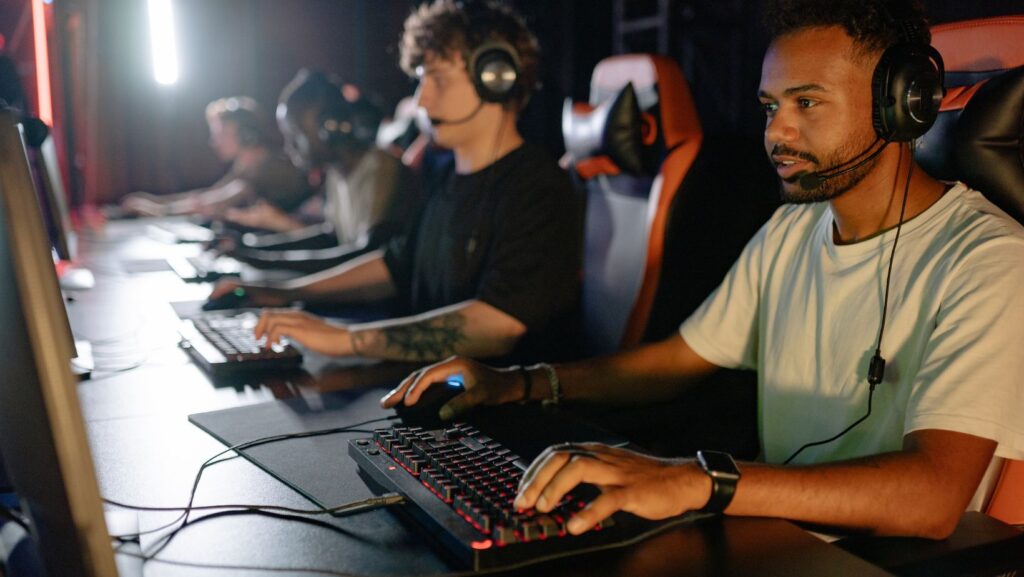
Once dismissed as a mere distraction, video games have evolved into a global cultural powerhouse. Today, gaming is recognized as a multifaceted hobby that fosters personal growth, cognitive development, and social connectivity. By engaging with complex narratives and high-speed mechanics, players encounter unique challenges that stimulate the brain in ways few other pastimes can match.
As technology advances, the boundary between play and skill acquisition continues to blur. From sharpening hand-eye coordination to enhancing spatial awareness, the benefits of gaming extend well beyond the screen. This article explores how modern gaming contributes to mental acuity, emotional resilience, and community building in the digital age.
The Cognitive Edge: Sharpening the Mind Through Play
Video games significantly boost cognitive function by requiring active participation rather than passive consumption. While strategy games demand long-term planning, action titles improve rapid information processing and reflexes. These activities stimulate neuroplasticity—the brain’s ability to reorganize synaptic connections through learning.
Research shows that gamers often exhibit superior attention to detail and memory retention. By achieving a “flow state,” players become highly efficient at filtering out distractions. This mental focus directly translates into success in academic and professional environments.
When players engage with various digital platforms, they often seek seamless access to their favorite environments. For those who enjoy the strategic elements of digital platforms, a quick Ice casino login provides a gateway to regulated environments where logic and probability take center stage. This transition from casual play to structured digital interaction highlights how modern users navigate diverse online spaces with ease and technical proficiency.
Social Connectivity in a Virtual World
The stereotype of the “lonely gamer” has been largely debunked by the rise of multiplayer gaming and global streaming communities. Gaming has become a deeply social hobby, providing a space for individuals to collaborate toward shared goals. In massive multiplayer online games (MMOs), players must organize hierarchies, delegate tasks, and communicate effectively to succeed in difficult missions.
These interactions often lead to genuine friendships that transcend geographical boundaries. For many, gaming communities provide a sense of belonging and a support system that is particularly valuable in an increasingly digital world. The table below outlines how specific types of games facilitate the growth of interpersonal skills and collaborative behavior.
| Gaming Genre | Primary Social Benefit | Key Skill Developed |
| MMORPGs | Large-scale Cooperation | Leadership and Delegation |
| Team-Based Shooters | Real-time Coordination | Verbal Communication |
| Sandbox/Building | Creative Collaboration | Conflict Resolution |
| Puzzle/Co-op | Shared Problem Solving | Empathy and Patience |
As shown in the table, different genres require unique social approaches, proving that gaming is an interactive experience that mirrors real-world social dynamics and team management. These skills are often directly applicable to professional team environments.
Emotional Resilience and Stress Management
While it may seem counterintuitive that a high-stakes game could be relaxing, many players use gaming as a primary tool for stress relief. The concept of “escapism” in gaming is not about avoiding reality, but rather about entering a controlled environment where challenges are fair and progress is measurable. In a world where real-life problems can feel overwhelming, the clear-cut objectives of a video game provide a satisfying sense of agency.
Why Gaming Supports Mental Well-being
Gaming allows for a safe space to fail. In most games, failure is not a permanent setback but a learning opportunity. This builds a “growth mindset,” where the player understands that persistence and practice lead to eventual success. This resilience is a vital life skill that helps individuals handle setbacks in their personal lives.
- Dopamine Regulation: Achieving small goals in a game releases dopamine, providing a healthy sense of accomplishment.
- Mindfulness: High-focus games can act as a form of “active meditation,” clearing the mind of outside anxieties.
- Catharsis: Narrative-driven games allow players to process complex emotions through the safety of a fictional character’s journey.
By engaging in these digital narratives, players can explore different facets of their personalities and develop a stronger sense of emotional intelligence while decompressing from daily stressors.
Practical Skills and Career Transitions
The benefits of gaming are increasingly recognized by employers in the tech, logistics, and creative industries. The ability to analyze data on the fly, lead a remote team, and troubleshoot technical issues are all “soft skills” that frequent gamers naturally develop. Furthermore, the gamification of learning has proven that the mechanics of play can make complex subjects like coding, physics, and linguistics more accessible.
To better understand the crossover between gaming and professional skill sets, consider the following list of transferable skills developed through regular play:
- Strategic Resource Management: Learning to balance limited in-game assets translates directly to budgeting and project management in the corporate world.
- Technological Literacy: Constant exposure to new hardware and software interfaces makes gamers highly adaptable to new workplace technologies and digital tools.
- Multilingual Communication: Playing on international servers often exposes individuals to diverse languages and cultural nuances, fostering global awareness and empathy.
These attributes demonstrate that time spent gaming is not “lost” time but an investment in a versatile toolkit of modern competencies highly valued in the 21st-century workforce.
Elevate Your Digital Experience
The evolution of gaming reflects a growing appreciation for digital interaction as a tool for self-improvement. By viewing gaming through a lens of growth, we open new pathways for learning and connection. Whether solving puzzles or leading a team, you are participating in a sophisticated form of play that enriches the mind.
Evaluate your habits and seek titles that challenge your perspective. Use your gaming time intentionally to sharpen your mind and expand your horizons—because in the modern world, every level cleared is a step toward a more capable version of yourself.
About Author