
Why a Metadata Inventory Is Strategic
A metadata inventory is the backbone of effective enterprise data discovery. It creates a single, searchable view of what data exists, where it lives, and how it is curated. Without a coherent inventory, analysts waste time rediscovering assets, compliance teams struggle to trace lineage, and engineering teams duplicate effort. For enterprises that need to move quickly while managing risk, building a scalable metadata inventory shifts work from reactive hunting to proactive governance. The inventory becomes a living index that supports analytics, cataloging, and automated data operations.
Core Principles of Scalability
Scalability is more than handling volume; it requires elasticity, consistent semantics, and efficient change propagation. First, design for incremental growth so the inventory can absorb new sources, formats, and domains without large refactors. Second, standardize on a common metadata model that captures technical attributes, business context, and governance metadata. Third, implement asynchronous processing for updates and enrichments to avoid bottlenecks during peak ingestion. Finally, make the inventory schema extensible so domain teams can add custom attributes without breaking global queries and integrations.
Choosing an Architectural Pattern
A federated architecture often balances central control with local agility. In this pattern, domain-specific metadata collectors register their assets with a global index; the index maintains normalized records for discovery while pointers preserve local ownership. Another approach is a centralized repository that ingests and normalizes everything, which simplifies discovery but can create bottlenecks and governance tensions. Hybrid architectures combine a lightweight global index with deeper local stores. Regardless of the pattern, a robust API layer is essential so other systems can read and write metadata reliably. Event-driven patterns using change streams or messaging buses ensure updates propagate without tight coupling.
Practical Metadata Capture Strategies
Capture metadata at the point of creation whenever possible. Instrument data pipelines to emit standardized metadata events when tables, files, or models are created or changed. Use schema crawlers and connectors to bootstrap legacy systems, then switch to continuous capture to keep the inventory current. Enrichment is equally important: augment technical metadata with business descriptions, ownership, sensitivity labels, and usage metrics.
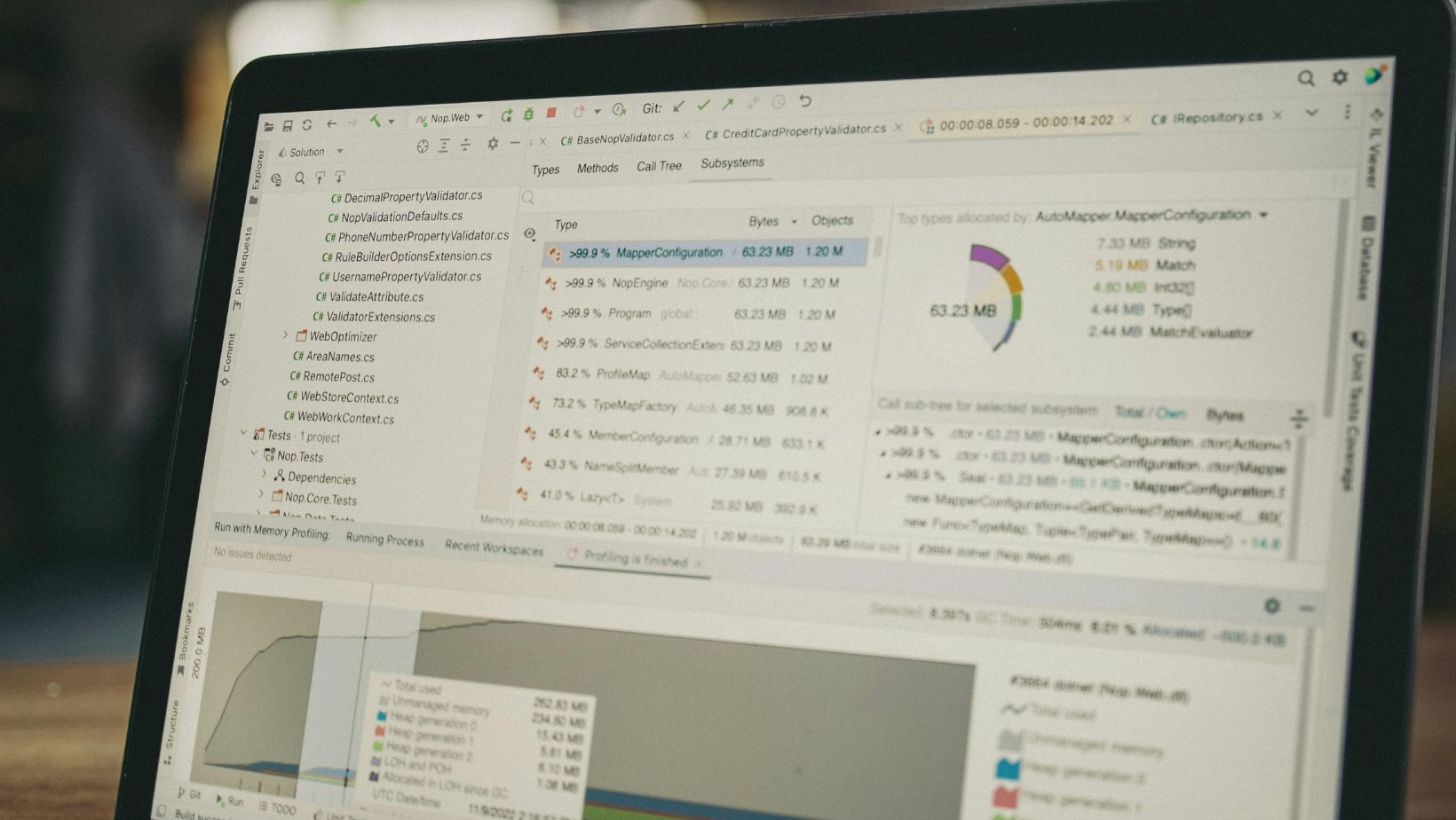
Enrichment can come from automated profiling, from analysts directly, or from integration with downstream systems that provide context. Ensuring provenance for each enrichment step helps maintain trust in the metadata.
Integrations that Multiply Value
A scalable inventory becomes more valuable as it integrates with analytics, governance, and line-of-business processes. Embed discovery into the analyst experience so assets surface directly in notebooks and BI tools. Integrate with policy engines to enforce access controls based on sensitivity tags. Connect with data quality systems so quality scores and alerts are visible alongside dataset descriptions. A well-connected inventory reduces friction: when data teams find trustworthy assets quickly, projects accelerate and duplication diminishes. When selecting integration points, prioritize APIs and event hooks that support bidirectional flow rather than one-off exports.
Using enterprise data catalog as a Source of Truth
A practical implementation treats the inventory as a living registry that can be queried, extended, and governed. Where a centralized searchable interface is required, pair the inventory with a purpose-built discovery layer that indexes normalized metadata and offers faceted search. The registry should support relationship graphs that reveal lineage, upstream dependencies, and downstream consumers. These graphs are essential for impact analysis and for understanding how changes ripple through the environment. Instrument the registry to capture usage patterns so it can recommend assets and highlight stale or orphaned resources.
Operationalizing Metadata Workflows
Operational maturity requires clear roles, SLAs, and auditability. Define who is responsible for registering assets, who verifies business descriptions, and who approves sensitivity classifications. Automate routine validations and notifications so registration is not an onerous manual task. Build workflows for remediation where automated checks detect issues such as missing owners or failing quality gates. Maintain an audit trail for all metadata changes to support compliance and to debug when unexpected behavior occurs. Regularly review enrichment pipelines and connectors to ensure their outputs remain aligned with the inventory’s model.
Measuring and Sustaining Success
Track metrics that show the inventory’s impact. Time-to-discovery for analysts, percentage of assets with owners, accuracy of lineage, and reductions in duplicate datasets are all meaningful indicators. Monitor system health metrics like ingestion latency and index freshness to catch operational problems early. Cultivate a feedback loop with users: make it simple to suggest improvements, correct metadata, and flag inaccurate information. Sustained investment in the inventory pays dividends, turning it from a static registry into a dynamic enabler of enterprise decisions.
Evolving Without Disruption
As businesses evolve, the inventory must adapt. Plan for schema migrations, connector upgrades, and new compliance requirements by versioning the metadata model and using migration tools that preserve history. Encourage domain teams to prototype local extensions before promoting them to the global model. Avoid large, infrequent overhaul projects by adopting iterative improvements and by investing in automation that reduces manual refactoring. This approach minimizes disruption and keeps the inventory aligned with both technological trends and business needs.
Final Thoughts on Building Durability
A scalable metadata inventory is not just a technical asset; it is a cultural one. It requires collaboration between engineers, stewards, analysts, and leaders who understand that metadata is a shared responsibility. With careful architecture, continuous capture, smart integrations, and operational rigor, an enterprise can turn metadata into a strategic capability that accelerates discovery, reduces risk, and enables more reliable decisions.
About Author