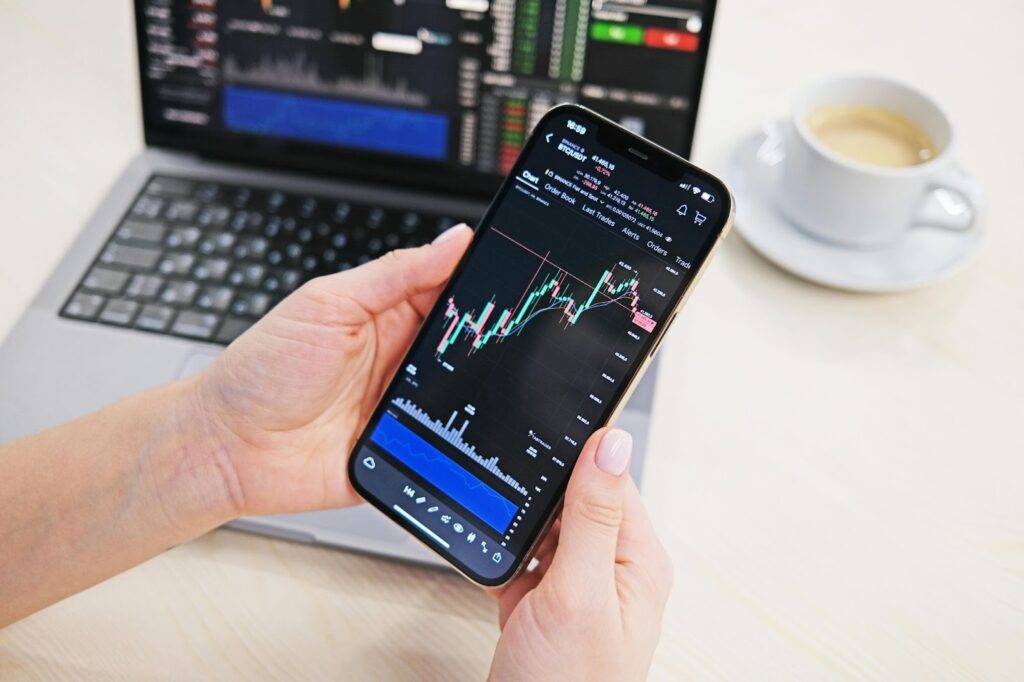
Trading for beginners is not an easy journey. Emotions can take control when prices move fast, and poor timing is one of several common reasons traders lose money. New traders enter trades without any solid confirmation, and this is where trading signals become helpful. Advanced trading indicators help amateur traders clearly see market signals. This helps reduce emotional decision-making and guesswork, enabling these tools to make more confident trading choices and support smarter trading.
What are Advanced Trading Indicators?
Trading indicators are tools designed to keep volume data and price in view. These tools help traders understand market behavior better and go beyond simple moving averages. Advanced indicators apply mathematical models to price and volume data to highlight strength, momentum, and trends. Such profound insights help traders carefully plan entries and exits. Advanced indicators are designed to make it easier to understand complex data and turn charts into readable signals, making trading more structured and less stressful.
Why High-Probability Setups Matter?
Since not every trade setup offers equal chances of success, over time, high-probability setups increase the likelihood of winning. They align multiple signals in a single direction. Traders incur losses when using random entries, whereas structured setups enhance discipline and consistency.
This method safeguards trading capital better. High-probability setups help traders become more patient, allowing them to wait for clear confirmations before taking any action. This reduces impulsive trading errors.
How Advanced Indicators Enhance Decision Making?
Some indicators help reduce perceived noise under certain market conditions. Advanced indicators replace emotional reactions by providing clear signals. Some advanced or composite indicators combine trend and momentum signals. Such confirmation makes traders confident before entering any trade. Indicators further help traders manage risk more effectively by clearly highlighting invalidation levels and supporting smarter stop-loss placement.
Common Types of Advanced Trading Indicators
Different indicators serve different trading purposes, and choosing the right one depends on goals and strategy.
- Trend-Based Indicators: These indicators show overall market direction, helping new traders follow strong price trends. This is because trend clarity improves trade timing. It is like one thing leads to another.
- Momentum Indicators: Momentum indicators measure price strength and speed, helping to identify oversold or overbought conditions. This results in better support when entering a trade.
- Volume-Based Indicators: Volume indicators confirm the strength of price movement because high volume can add confirmation to breakouts, depending on context.
Most traders opt for pre-designed indicator setups, which reduce complexity and save time while maintaining consistent trading rules. Because market conditions can shift quickly, indicators should support adaptable decision-making. Most traders don’t know how to use indicators. They think that indicators will predict the exact price moves, creating unrealistic expectations.
Benefits of Using Advanced Trading Indicators
Advanced indicators offer practical benefits for both experienced and new traders. The following benefits lead to consistent trading behavior:
- Support enhanced risk management planning.
- Help identify solid trend continuation.
- Improve exit and entry precision.
- Reduce emotional and impulsive trading decisions.
A single indicator might give a false signal. This is why combining different indicators enhances precision and provides multiple confirmations that strengthen trade confidence. Some traders use third-party indicator tools, such as LuxAlgo’s trading indicators, to simplify advanced technical analysis by presenting signals in a more structured and visually guided way, which can help reduce chart complexity for certain trading styles.
Summarizing
Advanced trading indicators help beginner traders spot strong market opportunities. It improves consistency and reduces emotional trading. Such high-probability setups support smarter decision making. Indicators become useful tools with discipline and practice because they guide traders toward better control and timing. Indicators can accelerate learning, but consistent profitability requires time, practice, and risk discipline.
About Author