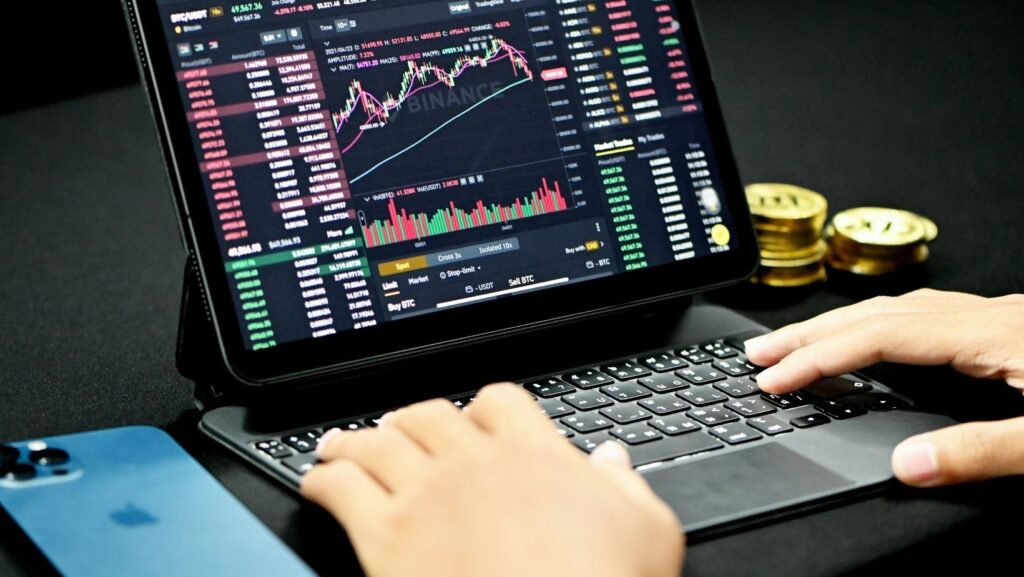
Prediction markets are often described as the “stock market for opinions,” and that comparison is starting to resonate with crypto bettors. Instead of placing a wager and waiting for the outcome, users are actively trading on what they think will happen.
This shift has opened the door to a more dynamic way of engaging with markets, where understanding probability and timing can matter just as much as being right. For many bettors, it marks a shift toward a more interactive, decision-driven approach.
How Prediction Markets Actually Work
At first glance, prediction markets look simple. Underneath, they operate very differently from traditional sportsbooks, and understanding that difference is key.
From Betting to Trading
Traditional betting pits you against the house, while prediction markets are peer-to-peer, matching your position with another user’s opposing view. This creates a fluid environment where you are trading opinions, shaping both pricing and strategy.
The Yes/No Contract Model
Each event is structured as a binary contract, such as “Will Bitcoin reach $100,000 by year-end?” You choose “Yes” or “No,” and your position is tied to that outcome, with the contract settling automatically once the event is resolved based on verified results.
The Role of Oracles and Settlement
Instead of relying on a bookmaker, prediction markets use external data sources, often called oracles, to confirm outcomes and trigger payouts. This adds transparency, with clear rules and a predefined settlement process for all participants across every market outcome.
Understanding Pricing: How Odds Become Probability
Pricing in prediction markets is where things start to click or get confusing for newcomers. Shares typically trade between $0.00 and $1.00, with that price representing the market’s collective estimate of an outcome.
A share priced at $0.65, for example, implies a 65% chance of happening. If the event occurs, that share settles at $1.00; if it does not, it drops to zero. The structure is simple on the surface, but it carries deeper meaning once you start interpreting what the numbers represent.
This setup turns pricing into a real-time reflection of crowd sentiment. When news breaks or expectations shift, prices adjust quickly. For bettors, the edge comes from spotting moments where the market’s estimate doesn’t align with your own read of the situation.
Prediction Markets vs Traditional Betting
The contrast becomes clearer when viewed side by side, with prediction markets emphasizing flexibility and transparency, while traditional sportsbooks rely on fixed odds and structured wagers.
| Feature | Prediction Markets | Traditional Betting |
| Counterparty | Other users (peer-to-peer) | The bookmaker (the house) |
| Flexibility | Positions can be exited anytime before resolution | Typically locked until event ends |
| Pricing | Based on probability ($0.00–$1.00 scale) | Fixed odds (American, decimal, fractional) |
| Market Scope | Covers sports, crypto, finance, global events | Primarily sports |
This added flexibility changes how participants think. Decisions are not locked in, and positions can be adjusted as conditions evolve in response to new information and shifting market sentiment.
Applying These Concepts in the Real World
Understanding the mechanics is one thing. Seeing how they play out in practice is another, especially as more bettors look for straightforward ways to engage with prediction markets without needing deep technical knowledge or prior trading experience.
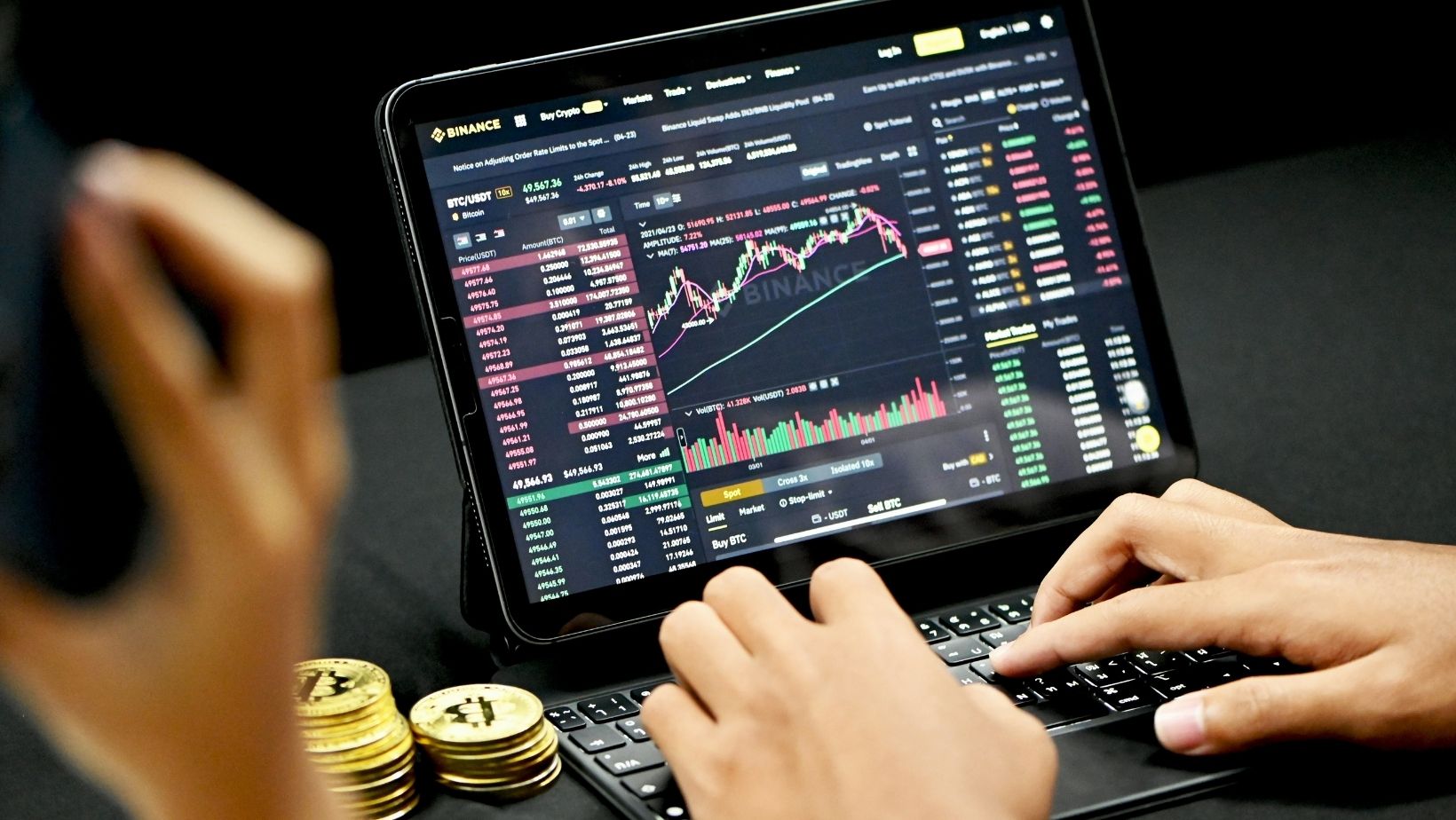
Modern prediction platforms have made it easier to participate in crypto betting without navigating complex crypto systems, reflecting a broader shift toward more accessible, user-friendly environments focused on interpreting outcomes and managing positions.
That simplicity plays an important role. It allows participants to concentrate on decision-making rather than infrastructure, making the overall experience more intuitive and easier to follow for both new and experienced bettors alike.
How Informed Bettors Evaluate Opportunities
Success in prediction markets often comes down to how well you read information and timing. Small differences in interpretation can significantly impact your overall outcome.
Spotting Mispriced Markets
Opportunities appear when your assessment differs from the market’s estimate. If you believe an outcome is more likely than the current price suggests, that gap can be meaningful. The reverse is also true when markets appear overly optimistic.
Reading Liquidity and Market Strength
Not all markets behave the same, and activity levels shape price movement. High-participation markets are more stable, while thinner ones can shift quickly from a single trade, helping you gauge whether pricing reflects consensus or sudden reactions.
Understanding Market Timing
Timing plays a central role in prediction markets, where sentiment shifts quickly with new information. Early reactions can create brief inefficiencies, allowing participants to act and exit before resolution, often focusing on movement rather than final outcomes.
Why Prediction Markets Appeal to Crypto Bettors
Prediction markets align naturally with the preferences of many crypto users, offering a structure that feels familiar yet more interactive. Speed and transparency stand out immediately, with outcomes settling quickly once confirmed and the underlying mechanics visible to participants.
Flexibility is another major draw. Markets extend beyond sports into crypto prices, economic indicators, and global events, giving users a wider range of opportunities to engage based on their interests and knowledge.
Interest has grown rapidly, with data showing prediction market volume has quadrupled over the past two years, reflecting a broader shift toward this format. For crypto bettors, the appeal comes down to control: you are not just placing a wager, but actively managing a position.
Key Considerations for Prediction Market Participants
While prediction markets offer new opportunities, they also require a different mindset. Understanding how these markets function can help participants make more informed decisions.
Key factors to keep in mind include:
- Platform reliability: Understand how outcomes are verified and how settlements are handled,
- Regulation and access: Availability varies by location and platform rules,
- Market behavior: “No” outcomes are common, and large trades can shift prices in smaller markets,
- Capital allocation: Long-term positions tie up funds, while shorter trades offer more flexibility.
Keeping these considerations in mind supports a more informed approach, helping participants navigate prediction markets with greater confidence and make more consistent, well-timed decisions over time.
Thinking Like a Trader
Prediction markets reward a different approach than traditional betting. Success comes less from picking winners and more from interpreting probabilities, timing movements, and managing positions thoughtfully.
That shift can feel unfamiliar at first. Over time, it becomes intuitive as patterns and market behavior become clearer. Each trade reflects a view, and each decision shapes your overall strategy.
For bettors willing to adapt, prediction markets offer a more interactive and nuanced way to engage with outcomes, one where understanding the system matters just as much as the result itself.
About Author