MicroStrategy co-founder Michael Saylor is aiming to convince sovereign wealth funds in the Middle East to bet big on Bitcoin.
The 60-year-old has previously convinced listed companies, hedge funds and asset managers that Bitcoin is a good investment, but his latest move is his most ambitious yet.
Sovereign Wealth Funds Are Central to Saylor’s Vision
Gulf nations painstakingly saved funds to grow national wealth for future generations. The vision is incredibly long-term focused and cannot be measured in quarters. Intriguingly, this long-term outlook perfectly aligns with Saylor’s position on Bitcoin.
The Nebraska native has argued that these tokens are digital property with a fixed supply and are immune to debasement and political interference. Saylor believes Bitcoin is a portable, verifiable, globally liquid and the next-generation alternative to gold.
If he can persuade Middle Eastern sovereign funds to invest, it would be quite the statement in the market. Institutional adoption is arguably the biggest driver of Bitcoin’s legitimacy, and being able to get state actors into the space would signal a new seriousness.
What Exactly is Saylor Pitching to the Middle East?
Saylor has reportedly held meetings with representatives from Saudi Arabia, the United Arab Emirates (UAE), Qatar and Kuwait.
He is pitching Bitcoin as a reserve asset that complements traditional holdings such as equities, bonds, real estate and commodities.
Saylor is selling a vision he has bought into wholeheartedly. His company, MicroStrategy, has the sixth-largest crypto entity in the world with 650,000 Bitcoins worth around $59.69 billion.
They deployed billions of dollars to popularise the concept of Bitcoin as a digital asset treasury. He has stepped aside as chief executive officer in 2022 to continue his Bitcoin evangelism.
Saylor’s resume has opened doors that would typically be closed to him. He built a remarkable career and reputation based on data-driven forecasting and systems thinking.
Besides an uber-successful entrepreneurial career, he is a Massachusetts Institute of Technology (MIT) graduate with double majors in engineering and the history of science, giving his pitch credibility.
In his Bitcoin advocacy, Saylor is betting on monetary networks to grow into more efficient and resilient designs.
Crypto’s Existing Footprint in the Region
It is worth noting that the Middle East is already conversant with cryptocurrencies. Citizens of different countries utilise them for several purposes.
Participants in online gaming, especially in Kuwait, have turned to crypto to make deposits and withdrawals. Many of the sites featured on comparison platform كازينوالكويت.com/en facilitate crypto payments for Arab players.
While Kuwait still frowns upon all forms of gambling, many citizens are participating in the activity. The government may eventually be forced to establish a regulatory body to oversee the sector.
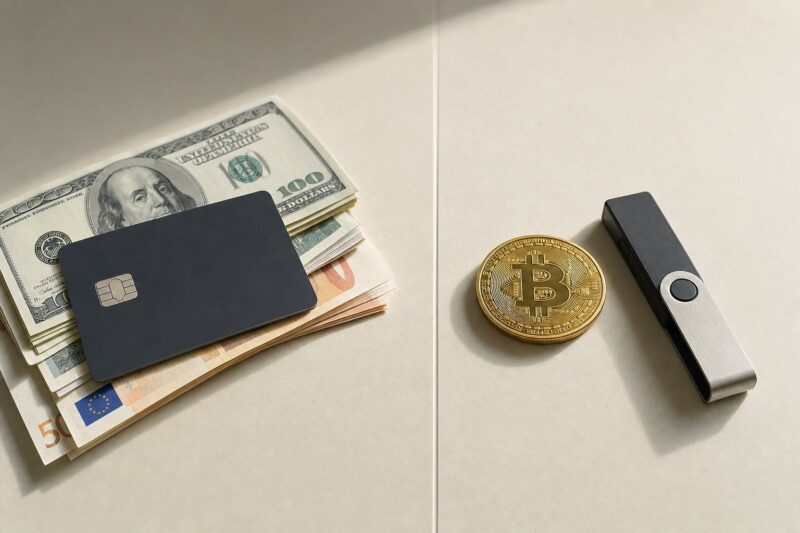
Cryptocurrencies are the ideal alternative to traditional banks. They are usually faster, especially for international transfers, and fees are comparatively cheaper.
Bitcoin is also being used by the Middle East’s youth and tech-savvy to save money and invest, becoming a practical, everyday tool across the region. The widespread adoption of crypto is a factor that controllers of the sovereign wealth funds cannot ignore.
A Region Already Open to Blockchain Innovation and What It Means for Bitcoin’s Global Trajectory
Governments across the Middle East are recognising the remarkable potential of Bitcoin and have revamped their business laws to create a blockchain-friendly environment.
Dubai and Abu Dhabi have been working hard towards attracting more digital asset companies. They have opened technology centres and hosted events designed to entice them.
Financial technology start-ups in the Middle East have also been big on tokenisation, digital custody and blockchain-based settlement systems.
Saylor does not preach Bitcoin as a disruptor. He frames the digital asset as a neutral, apolitical asset that can do without the government’s growth strategies.
If the Middle Eastern sovereign wealth funds are deployed, the implications will be fascinating. Their involvement will rubber-stamp Bitcoin as a standard reserve strategy, perhaps convincing other state-facilitated actors.
Saylor will hope to receive positive news from his Middle Eastern venture soon. His relentless drive might pay off and establish Bitcoin as the world’s number-one reserve currency.
About Author